
Navigating PCP Withdrawal

Highs, Lows, and Everything In Between
What starts as chasing a quick high can unravel faster than most people expect. With PCP, that rush often opens the door to a dangerous spiral—one that can shift from euphoria to confusion, paranoia, or medical crisis in a short amount of time. In the United States, PCP is classified as a Schedule II illicit drug because of its high potential for abuse and the serious mental and physical effects that tend to escalate with repeated use. People may smoke, snort, swallow, or inject PCP, increasing both accessibility and risk. Despite its illegal status and long history of harm, PCP continues to resurface as a recreational drug, putting users at risk for unpredictable and potentially life-threatening consequences.
What Is PCP or Phencyclidine?
PCP, short for phencyclidine, is a mind-altering, hallucinogenic, illegal drug. Initially, researchers tested PCP as a painkiller in medical settings; however, it quickly became apparent that PCP is addictive and dangerous, with no health benefits.
While it was originally intended to help manage pain, PCP’s unpredictable effects on the brain made it unsuitable for medical use. Today, it’s known more for its hallucinogenic properties and high risk of addiction than for any therapeutic potential.
PCP Street Names
Because PCP has been around as an illegal drug for over 50 years, it has gained a variety of street names. Some nicknames for PCP refer to its appearance; others refer to its effects.
Street names for PCP include:
- Angel dust
- Rocket fuel
- Embalming fluid
- Animal tranquilizer
- Ozone
- Magic dust
- Tranq
- Sherman
- Black dust
According to the Department of Justice, people commonly mix PCP with marijuana or plant materials like mint, parsley, or oregano to hide the bitter taste when they smoke it. Some people dip their cigarettes in liquid PCP.
Common names for PCP mixed with weed or cigarettes include:
- Killer joints
- Supergrass
- Fly
- Wet
- Illy
- Dippers
This variety of street names and combinations makes PCP especially hard to identify, which increases the risk of accidental overdose. Awareness is key for prevention.
What Does PCP Look Like?
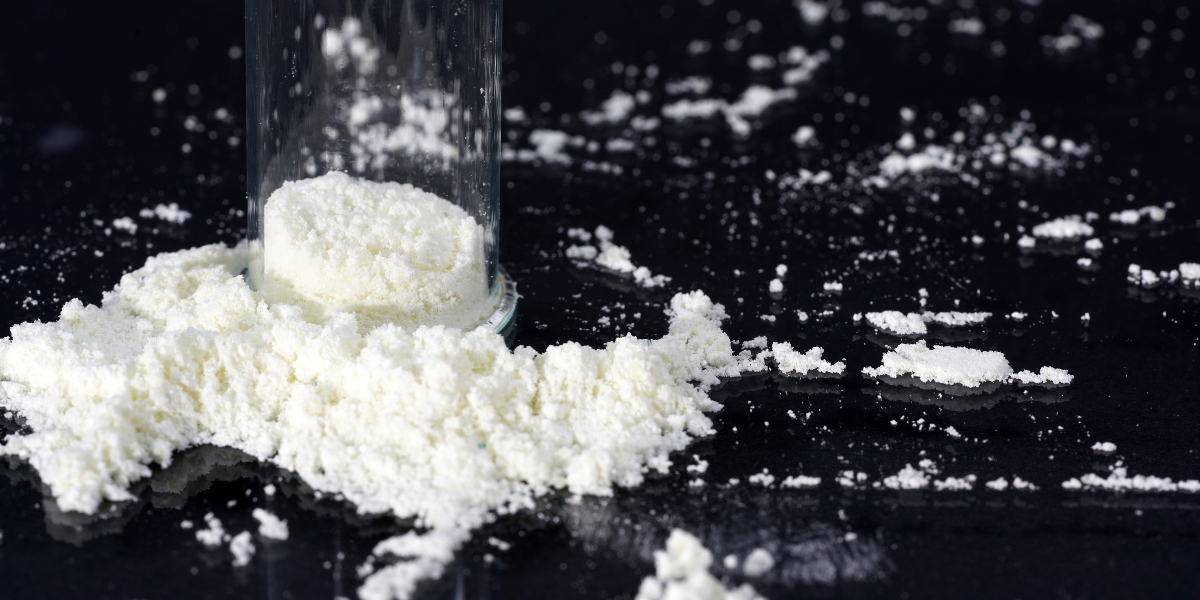
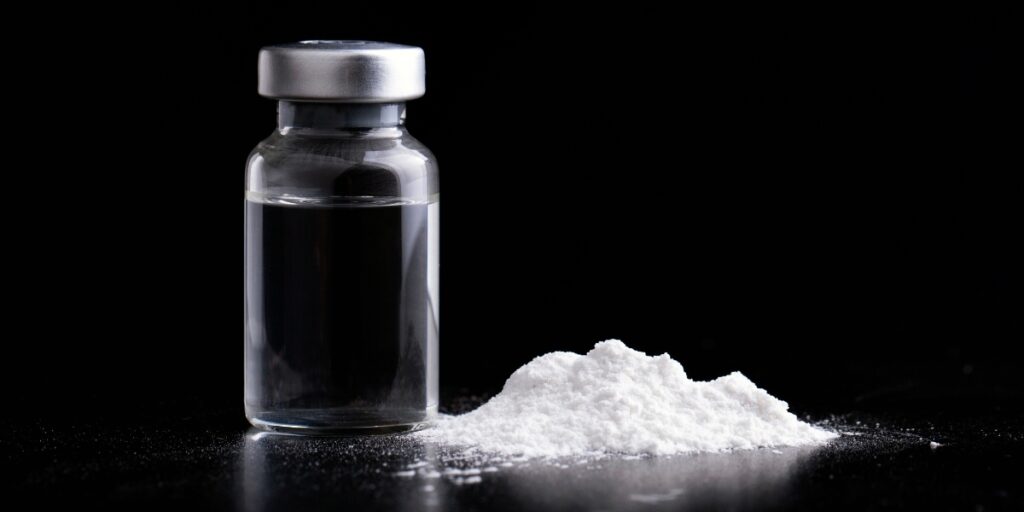
PCP is most commonly a loose, crystal-like white or off-white colored powder. Some dealers will dye the powder or press it into pills and capsules. When PCP is liquid, it is clear or has a slight yellow tint.
Its appearance can vary widely, which can make it difficult for users to know exactly what they are taking. This unpredictability contributes to the drug’s dangerous reputation.
PCP Effects
Primarily, PCP is a painkiller and hallucinogen; however, there’s a wide variety of side effects PCP users will experience based on their physical makeup, tolerance, and how many doses of PCP they take. PCP works throughout the central nervous system and interact with several chemicals in the brain to produce physical and mental effects. PCP is never harmless, and many first-time users have experienced psychotic breaks, seizures, comas, and death.
Depending on the method of ingestion, it takes between five minutes and two hours for PCP effects to kick in. Injecting, smoking, or snorting PCP causes quicker results, whereas swallowing tablets or mixing PCP with other edibles takes longer.
The effects of PCP include:
- A rush of euphoria
- A sense of heightened clarity and focus
- Disassociation
- Perceived super strength
- Speaking very quickly
- Slurred speech
- Dizziness
- Staring blankly or with a fixed gaze
- Jerky eye movements
- Small or constricted pupils
- Rigid or unnatural movements
- Overheating
- Flushing
- Sweating
- Drastic changes in blood pressure
- Increased heart rate
- Coughing and wheezing
- Vomiting
- Paranoia
- Visual, auditory, and tactual hallucinations
- Aggressive behavior
- Violent outbursts
- Self-harm
- Seizures
People with co-occurring mental health disorders sometimes use drugs, including PCP, to self-medicate their symptoms. PCP is addictive, potent, and incredibly volatile, which can worsen symptoms and even cause long-term psychological damage. Long-term PCP use also takes an incredible physical toll on the body.
Long-term effects of PCP use include:
- Memory loss
- Speech difficulties
- Loss of coordination
- Weight loss
- Tooth decay
- Soft tissue sores
- Depression
- Anxiety
- Flashbacks
- Violent or suicidal thoughts and behaviors
- Ataxia
- Psychosis
- Organ damage
- Psychosis
- Seizures
- Withdrawal
- Protracted withdrawal
Even long-time PCP users who quit may experience long-term effects, including severe seizure disorders that can lead to comas or brain damage. The long-term damage may heal with time and proper medical care, but some will require lifelong attention and care.

Withdrawal Symptoms
PCP withdrawal symptoms can be as unpredictable as the high, depending on the person and the length and severity of the addiction. According to the National Institutes of Health (NIH), PCP withdrawal can begin as soon as a few hours after the last dose and tends to last longer than other hallucinogens.
PCP withdrawal symptoms include:
- Drug cravings
- Extreme fatigue
- Muscle soreness and stiffness
- Irritability
- Twitching
- Headache
- Appetite changes
- Depression
- Anxiety
- Violent outbursts
- Memory loss
- Sleep disturbances
- Speech difficulties
- Diarrhea
- Paranoia
- Hallucinations
- Delayed reflexes
- Seizures
Withdrawal from PCP is not just uncomfortable—it can be life-threatening. Medical supervision is strongly recommended to prevent severe complications. Many people find that support during withdrawal dramatically improves recovery outcomes.
Before you attempt to quit taking PCP, you should seek medical advice; most medical professionals will recommend supervised medical detox. Seeking professional medical detox is the safest way to get through PCP withdrawal; medical professionals can help ease the physical and mental anguish until you are well enough to enter treatment.
Detox alone is not a sufficient or effective treatment for PCP addiction; people should immediately enter comprehensive, evidence-based treatment programs to treat all aspects of addiction.
Coping Strategies During PCP Withdrawal
While medical supervision is critical, some coping strategies can help manage discomfort during PCP withdrawal.
- Maintain hydration and balanced nutrition to counter fatigue and muscle soreness.
- Engage in gentle exercises or stretching to relieve stiffness and promote circulation.
- Practice mindfulness or meditation to manage anxiety and irritability.
- Use journaling or therapy to track mood changes and triggers.
- Establish a structured daily routine to combat sleep disturbances and chaotic thoughts.
These strategies, combined with professional support, can improve both physical and emotional stability during recovery.
Long-Term Recovery and PCP Relapse Prevention
PCP addiction isn’t just about detox—it’s about learning new habits, coping mechanisms, and life skills. Long-term recovery includes:
- Individual and group therapy to address behavioral patterns and triggers.
- Family therapy to rebuild trust and create support networks.
- Relapse prevention plans, including stress management and healthy lifestyle practices.
- Ongoing aftercare and support groups to maintain sobriety.
Recovery is a process, not a single event. Structured treatment programs dramatically increase the chances of long-term success.
PCP Addiction Treatment in Hollywood, California
If you or a loved one is struggling with an addiction to PCP, White Oak Recovery Center can help.
At White Oak Recovery Center, we pride ourselves on our patient-centered approach to overcoming addiction. We offer on-site medical detox in a tranquil environment, ensuring your safety through withdrawal. Our professional team of addiction specialists collaborates with you to develop a treatment plan personalized to your unique needs and goals.
During your time in our private residential treatment center, through evidence-based treatments, behavioral therapies, and support groups, we work to address the roots of addiction and heal more than just the physical effects of PCP. White Oak Recovery also offers family counseling programs to help loved ones understand addiction, strengthen support systems, and promote long-term recovery for everyone involved. Reach out to our admission team today. A new life rooted in recovery is possible.



Medical Disclaimer: