
New Psychoactive Substances (NPS) or Legal Highs

They’re marketed as legal, packaged like harmless products, and often sold online or in smoke shops. However, don’t let the branding fool you. Many so-called legal highs are anything but safe. In fact, these substances can be some of the most unpredictable drugs on the market today. As new synthetic compounds appear faster than regulations can keep up, people experimenting with them may unknowingly put their mental health and physical safety at risk. Understanding what these substances are and why they’re dangerous is an important step in preventing drug addiction and helping people find effective therapies and treatment when needed.
The United Nations Office for Drugs and Crime (UNODC) defines new psychoactive substances (NPS) as “substances of abuse either in a pure form or preparation” that do not fall under existing drug control laws and treaties that “may pose a public health threat.” The term new does not strictly mean new chemical inventions, but rather substances that have recently become available and popular in illegal markets
NPS abuse and addiction are increasing public health problems and show no signs of slowing down. Designer drugs are attractive to recreational drug users because of their somewhat legal status and the fact that they don’t show up on traditional drug testing kits. That may seem like a benefit in the short term. Still, in the event of dangerous side effects or overdoses, medical professionals cannot determine the proper treatment if they can’t identify the drugs. This uncertainty can delay lifesaving care and complicate emergency responses.
Regardless of legality or marketing, there is no such thing as a harmless drug, including NPS.
What Are New Psychoactive Substances?
New psychoactive substances (NPS), sometimes called designer drugs, synthetic drugs, or legal highs, are created to have similar effects to other illicit drugs like marijuana, cocaine, or MDMA.
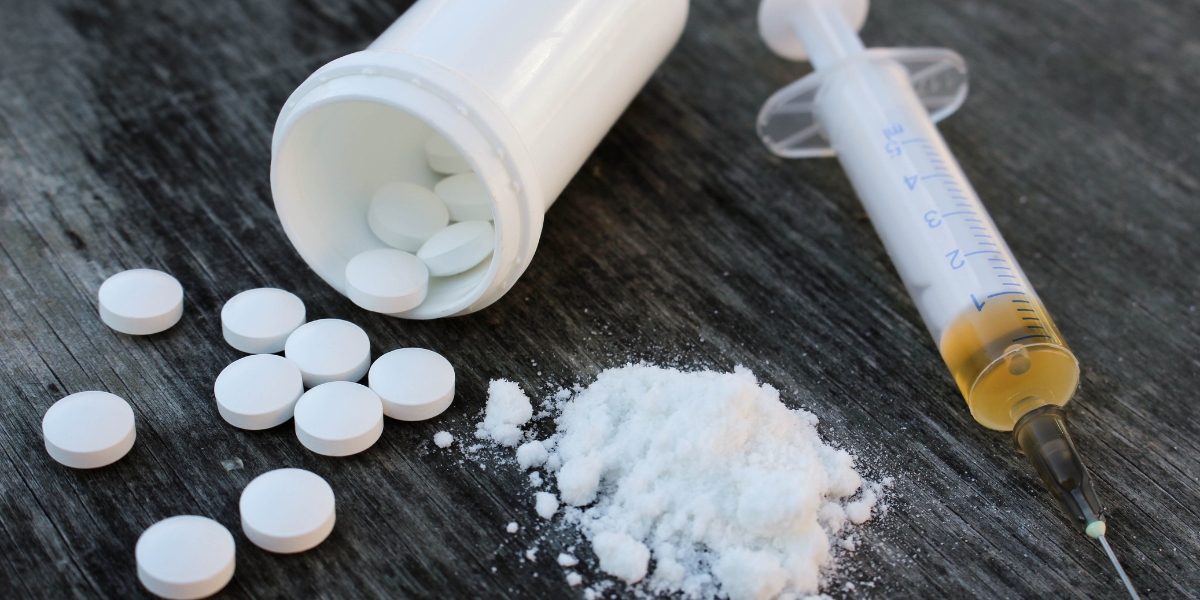
Many novel psychoactive substances for sale are labeled for other uses and have constantly changing chemical formulas to avoid law enforcement detection, making them technically legal highs. They come in various forms that NPS users eat, smoke, snort, and smoke. Although less common, some people dissolve and inject certain NPS substances, which significantly increases the risk of overdose, infection, and long-term health complications.
Because these substances are often produced in unregulated environments, users rarely know the exact chemicals or potency they are consuming. This lack of transparency makes NPS particularly dangerous compared to many traditional drugs.
New Psychoactive Substances List
New psychoactive substances can be entirely synthetic or contain trace amounts of plant material and naturally occurring psychotropic substances. Public health officials and law enforcement divide synthetic drugs into four categories based on their effects and chemical compositions. The four categories of designer drugs are synthetic cathinones, synthetic cannabinoids, hallucinogens, and dissociatives.
Synthetic Cathinones
Synthetic cathinones are stimulants that interact with the brain chemicals serotonin and dopamine to produce psychoactive effects. Usually found in powder or small crystal form, NPS users will swallow, snort, and occasionally inject synthetic cathinones.
Common names and slang for synthetic cathinones include:
- Bath salts
- M-cat
- Plant food
- Flakka
- Cloud 9
- Ivory wave
People who use drugs like synthetic cathinones are hoping for effects similar to stimulants that cause increased alertness, energy, euphoria, and reduced inhibitions. However, these drugs can also cause extreme paranoia, agitation, and dangerous spikes in heart rate or blood pressure.
Synthetic Cannabinoids
Synthetic cannabinoids generally consist of dried plant material sprayed with chemicals to produce similar effects to marijuana. Typically, people smoke or vape synthetic cannabinoids.
Common names and slang for synthetic cannabinoids include:
- Fake weed
- Legal weed
- Black mamba
- Spice
- Kush
- K2
- Clockwork orange
Synthetic cannabinoids do not contain any pure form of THC, the active ingredient in marijuana. Still, NPS users take them to cause feelings of relaxation, reduced stress, and a body buzz. Unfortunately, these synthetic compounds can bind much more strongly to brain receptors than THC, which can result in severe anxiety, psychosis, or medical emergencies.
Hallucinogens
NPS hallucinogens are designed to produce effects similar to drugs like PCP, ketamine, or LSD and occasionally contain trace amounts of those drugs. Hallucinogens can be swallowed, snorted, or injected.
Common names for designer hallucinogens include:
- N-bombs
- Acid
- Rocket fuel
- Purple Passion
- Sally D
- Magic Mint
Hallucinogens cause altered perceptions of time and space, visual and auditory hallucinations, and feelings of detachment from the physical body. Not all hallucinations are pleasant. Some are disturbing or violent.
Dissociatives
Synthetic dissociatives are close to hallucinogens but have sedative effects, similar to benzodiazepines or opioids. Dissociatives come in various forms that allow for smoking, snorting, swallowing, or injecting.
Common names for dissociative drugs include:
- Downers
- Date rape
- Special K
- Novel opioids (NO)
- GHB
- Vitamin K
- Vitamin G
- Soap
Dissociatives make users euphoric and relaxed, behave erratically, experience hallucinations, and have out-of-body or near-death experiences. Some users experience almost complete paralysis after taking high doses of dissociatives.

Effects of NPS
Above, the intended effects of NPS were listed. However, all NPS have additional and unintended side effects. Because recreational drug users tend to take more than one substance at a time, and designer drugs have inconsistent ingredients, it can be nearly impossible to predict the effects or narrow them down to a specific NPS.
Some common effects of NPS include:
- Confusion
- Agitation
- Headaches
- Increased sensitivity to touch, light, sound, and scents
- Disjointed or slurred speech
- Changes in heart rate, blood pressure, and body temperature
- Sweating
- Stupor
- Abdominal pain
- Uncontrollable muscle movements
- Facial tics
- Memory loss
- Hallucinations
- Aggressive behavior
- Violent or suicidal thoughts
- Loss of consciousness
- Seizures
Despite being marketed as recreational drugs and a legal high, which implies they are safer than other drugs, new psychoactive substances can cause physical and psychological dependence and addiction.
Why Legal Doesn’t Mean Safe
One of the biggest misconceptions surrounding new psychoactive substances is the belief that legality equals safety. In reality, many NPS remain legal only because they have not yet been specifically banned by law.
Manufacturers frequently modify chemical structures slightly to bypass regulations, creating an endless cycle where new compounds enter the market faster than legislation can keep up. This constant evolution means users may unknowingly consume substances that have never been studied for safety or long-term effects.
For people already struggling with substance use or mental health challenges, experimenting with these unpredictable compounds can significantly increase the risk of addiction and medical complications.
Legal High Public Health Threat
New psychoactive substances (NPS), or legal highs, pose a public health threat worldwide. The United Nations Office on Drugs and Crime (UNODC) and the European Union established the Early Warning System (EWS) to monitor and research chemicals used to make NPS, the final products sold on the drug market, and trends in the drug scene. By 2018, they identified over 730 novel psychoactive substances in Europe. Overall, 119 countries, including the United States, reported 892 individual NPS.
Many harm reduction efforts and public health awareness campaigns focus on traditional drugs and succeed in making people who use drugs aware of their dangers. However, this leaves people seeking what they believe to be safer, more readily available alternative drugs like NPS.
The proliferation of NPS moves faster than laws passed to control them, causing widespread harm to unsuspecting people who assume that because NPS are not explicitly illegal drugs, they cannot be too dangerous. Additionally, people who share drug paraphernalia, like pipes and needles, put themselves at risk for infections and diseases like hepatitis and HIV.
Treatment for NPS Addiction and Substance Use Disorders
Although new psychoactive substances may be marketed as recreational or experimental drugs, repeated use can quickly develop into a drug addiction. When that happens, professional support and evidence-based therapies can make a life-changing difference.
Many drug treatment facilities in California provide specialized programs designed to address both substance use and mental health challenges. Treatment often includes a combination of medical care, behavioral therapies, and holistic approaches that help individuals rebuild healthy coping skills and routines.
Because NPS compounds vary widely, medical supervision during detox and treatment is especially important to manage withdrawal symptoms and ensure safety.
Legal High Substance Abuse Treatment in Southern California at White Oak Recovery
If you or a loved one is grappling with legal high drugs or substance abuse, evidence-based addiction treatment can help you find a better way of life.
White Oak Recovery Center (WORC) offers all the benefits of residential treatment in a calm, private, and safe environment. Your comfort, dignity, and safety are our top priorities while you begin to overcome substance abuse and start your journey to recovery. WORC provides on-site medical detox for our residents who need support and care while conquering withdrawal.
Part of uncovering and addressing the roots of addiction is appropriately diagnosing and treating co-occurring disorders. Through individual therapy, behavioral therapies, and support groups, you will gain a sense of community, confidence, and the coping skills to live a fulfilling life rooted in recovery.
Reach out to our admissions team today to plant the seeds of a new way of life.



Medical Disclaimer: