
How Is Heroin Made?

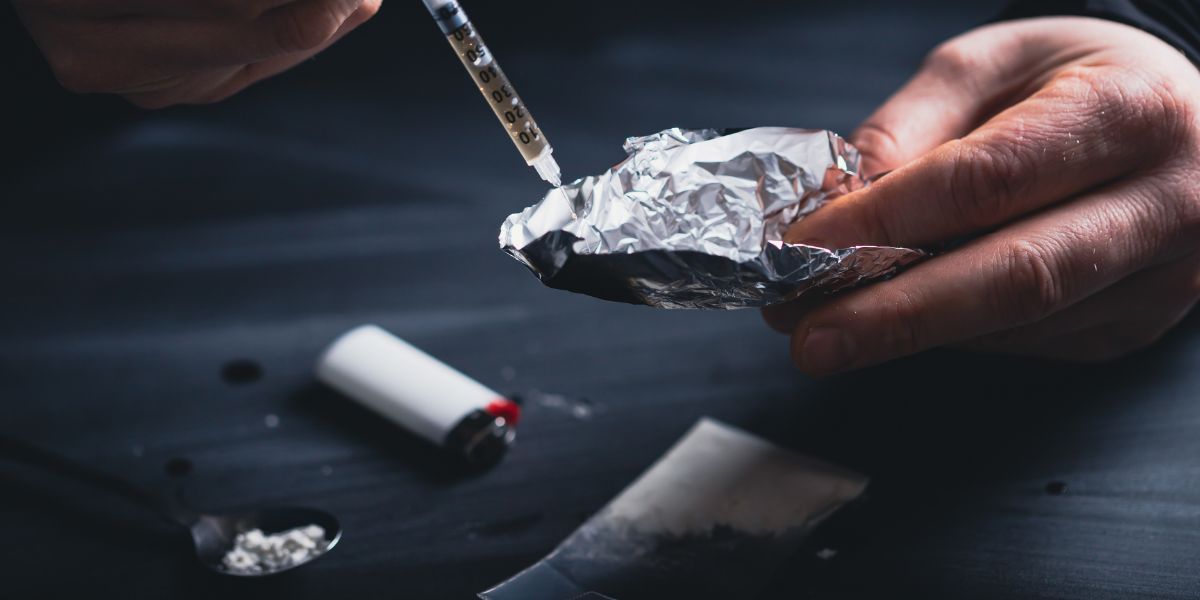
Heroin isn’t something you just pick up at the store. But curiosity about how this powerful drug comes to be is common, especially if you’re trying to understand the risks for yourself or a loved one. At White Oak Recovery Center, we know that knowledge is a first step toward prevention, treatment, and compassion. How is heroin made? Understanding this doesn’t glorify the drug. It helps shed light on the dangers and can even guide people toward mental health care and residential treatment before things spiral out of control.
What Is Heroin Made Of?
What is heroin made of? The starting point for heroin is the opium poppy, a flowering plant native to parts of Asia but cultivated worldwide. When harvested, the sap from the poppy seed pod, which is opium, is processed chemically to create morphine. From morphine, heroin is synthesized through chemical reactions that alter its molecular structure.
This essentially means that heroin is morphine with acetyl groups attached, which makes it more potent and faster-acting in the brain. Are you wondering, “What is heroin chemically made of?” It’s primarily carbon, hydrogen, nitrogen, and oxygen arranged in a way that interacts powerfully with the body’s opioid receptors. Understanding these elements heroin is made of helps explain why its effects are so intense and addictive.
How Heroin Is Made: The General Process
You might hear people ask, “How is heroin made?” outside a lab setting, but it’s not as simple as mixing a few chemicals in your kitchen. This doesn’t mean that illegal operations don’t try.
The process most commonly involves:
- Harvesting opium from poppies.
- Extracting morphine from opium.
- Converting morphine into heroin using acetic anhydride or similar chemicals.
- Purifying the heroin into a usable form, which is often powder or black tar.
This chemical conversion is risky. Not only is it illegal, but it can produce toxins and contaminants that make street heroin even more dangerous. At White Oak Recovery Center, we explain these realities during dual diagnosis counseling to help people understand both the physical dangers of heroin and its impact on mental health.
How Is Black Tar Heroin Made?
People often ask, “How is black tar heroin made?” Black tar heroin is a particular form of the drug that is dark, sticky, and often less refined than powdered heroin. It’s usually derived from poppies, like any other heroin, but the final steps of purification are skipped or altered. This leaves behind impurities that give it its characteristic dark color and gummy texture.
While some might assume black tar heroin is safer because it is less pure, the opposite is true. Its inconsistent potency can increase overdose risk.
Understanding the different forms of heroin is critical because it informs treatment plans and harm reduction strategies.
What Makes Heroin So Addictive?
Even knowing what heroin is made out of, it can be hard to imagine why it hooks so quickly. Heroin crosses the blood-brain barrier rapidly, flooding the brain’s opioid receptors. This triggers intense euphoria followed by drowsiness, which reinforces repeated use.
The drug also affects the brain’s dopamine system, which regulates pleasure, motivation, and reward. Over time, people can develop depression or other mental health issues, creating a cycle where heroin use and mental health challenges feed into each other.
That’s why programs at White Oak Recovery Center’s drug rehabilitation in California programs often combine medical treatment with various therapies. These therapies are aimed at addressing underlying issues like anxiety, trauma, or dual diagnosis conditions and provide relief for individuals in Hollywood rehab settings.
Recognizing the Signs and Getting Help
Knowing how heroin is made and the science behind its effects is just one piece of the puzzle. Recognizing the signs of addiction is crucial for early intervention. Some signs include:
- Sudden changes in mood or mental health.
- Withdrawal from family or work.
- Physical signs like track marks, pinpoint pupils, or shaking hands.
- Neglecting responsibilities in favor of drug use.
If you or someone you know is struggling, contacting our admissions team at White Oak Recovery Center is the first step. We provide individualized guidance for residential treatment, dual diagnosis support, and evidence-based therapies designed to help people reclaim their lives from addiction.
Why Education Matters
You might still wonder, “Why bother learning how heroin is made?” Understanding the production, chemical composition, and dangers of heroin empowers families, educators, and communities.
Knowledge allows people to:
- Discuss addiction openly and honestly.
- Make safer choices around substance use.
- Recognize early warning signs.
- Connect to drug rehabilitation in California programs, like Hollywood rehab options that combine mental health and medical care.
At White Oak Recovery Center, education is part of treatment. We believe the more people understand the science and risks of heroin, the better they can protect themselves and support their loved ones.

Heroin Addiction Treatment at White Oak Recovery Center in Hollywood, California
Understanding how heroin is made doesn’t glamorize it. Rather, it demystifies a substance that has claimed countless lives. At White Oak Recovery Center, we approach this knowledge with care, combining residential treatment, therapies, and dual diagnosis support to address both addiction and underlying mental health conditions.
If you’re struggling with heroin use, or if someone you love is, don’t wait. Reach out to our admissions team today. Learning about the drug is a first step, but seeking help is the step that saves lives.

Medical Disclaimer: