
What Really Happens When You Smoke Sherm

When Getting Wet Turns Dangerous
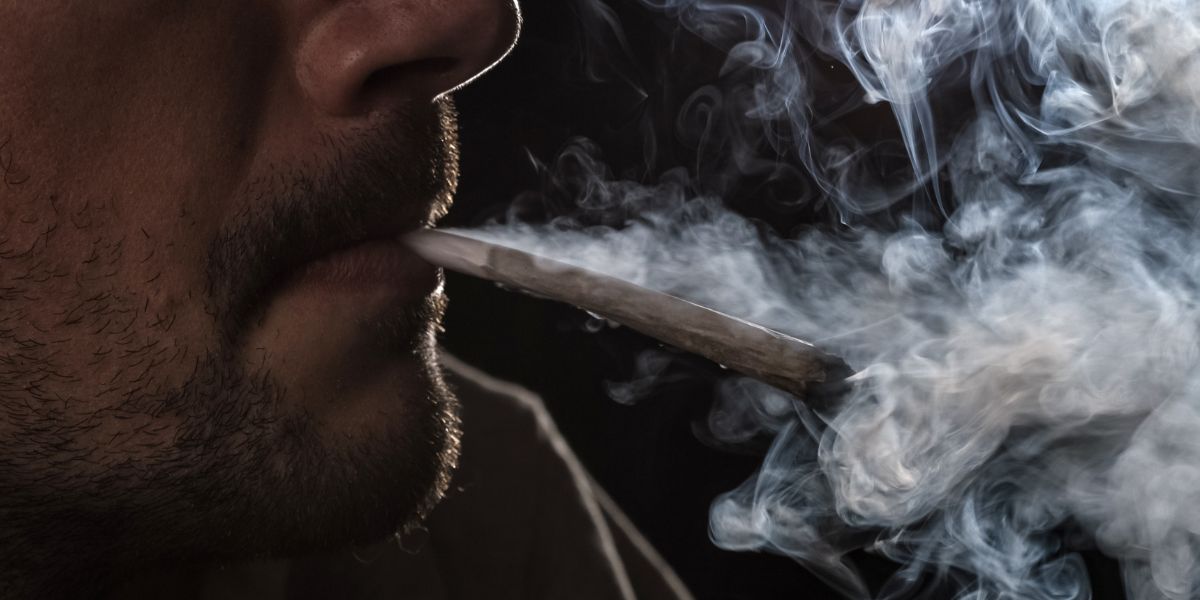
If you’ve ever heard someone mention “Sherm” or “smoking wet,” it might sound like just another street slang. However, behind the names lies a risky cocktail that can wreak havoc on the mind and body. These are not just ordinary cigarettes. They’re laced with dangerous chemicals designed to deliver an intense, mind-bending high.
“Sherm” or “smoking wet” are terms that refer to marijuana or tobacco cigarettes dipped in substances like PCP or embalming fluid to achieve a potent and often dangerous high. Originating from urban slang in the United States, sherm has become a well-known part of the illegal drug culture.
These sherm cigarettes, also known as “wet” or “water,” are smoked for their intense mind-altering effects. However, the use of these substances poses significant health risks, both in the short and long term. Understanding what sherm is, the effects of it, and the importance of seeking professional, evidence-based treatment for substance abuse is crucial for addressing this dangerous drug use.
What Is Sherm?
Sherm is a slang term for cigarettes dipped in substances like PCP and embalming fluid. It’s commonly used in urban and street culture. The term “sherm” originated in the United States and has since become a part of the illegal drug market slang.
Sherm cigarettes, also known as “water” or “wet,” are smoked to achieve a potent and often dangerous high. The practice of smoking sherm is not only illegal but also poses significant health risks due to the toxic nature of the substances involved. These substances can cause severe physical and psychological effects, making their use extremely risky.
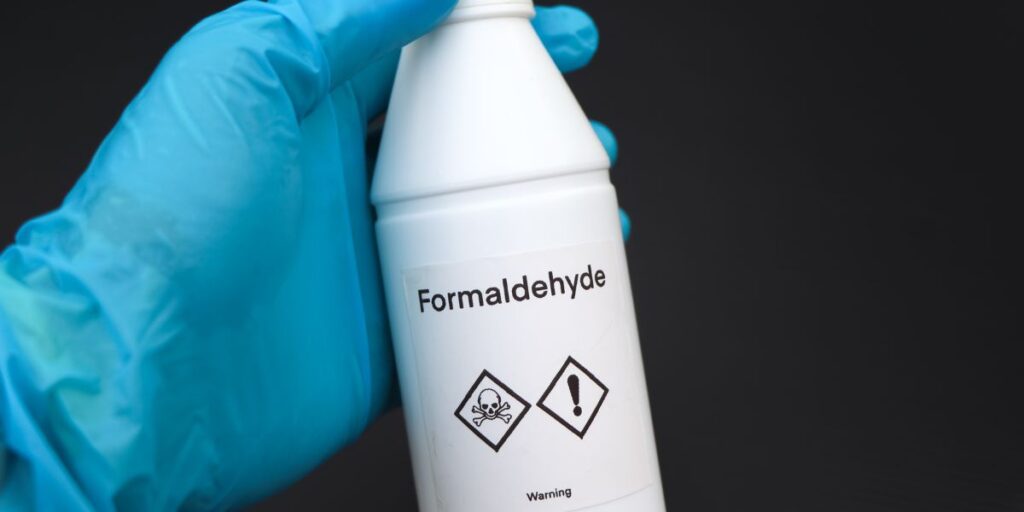
Phencyclidine, commonly known as PCP, was initially developed as an intravenous anesthetic. However, it was discontinued for medical use due to its severe side effects. Today, it is commonly found in the illicit drug market, often used to lace cigarettes. Embalming fluid, used for preserving deceased bodies, contains a mixture of formaldehyde, methanol, and other solvents. Mixing these substances in sherm cigarettes creates an unpredictable chemical cocktail that can damage nearly every system in the body.
Smoking Wet
“Smoking wet” is another term associated with sherm cigarettes. The term “wet” refers to the liquid form of PCP and embalming fluid in which the cigarettes are dipped. These substances, when smoked, produce mind-altering effects that can be extremely hazardous.
Though the medical use of PCP was discontinued, it is now mostly found as an illegal drug, and it is often mixed with water or alcohol and used to make sherm cigarettes.
Wet Drug Effects
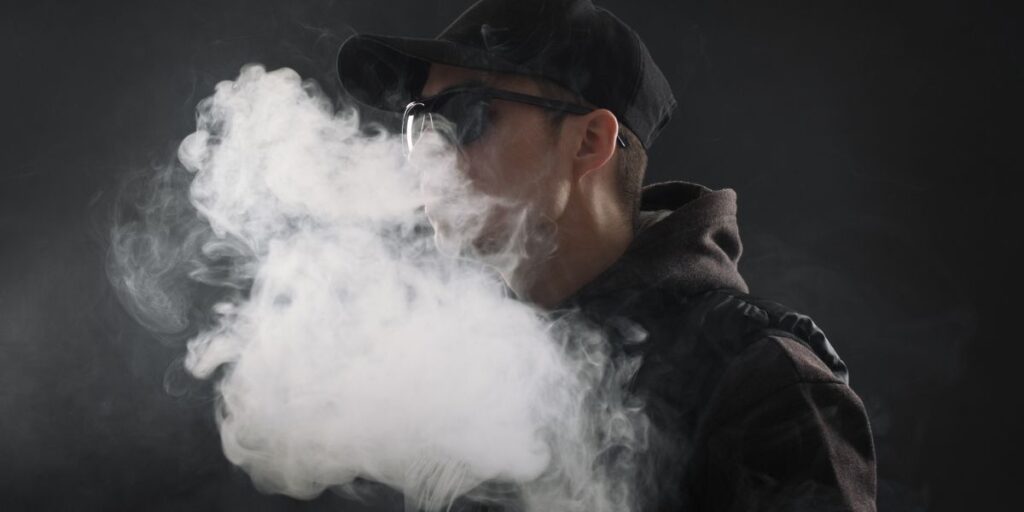
The effects of smoking wet drugs like sherm are profound and alarming. Users often feel detached from reality, a symptom known as dissociation. This detachment can lead to dangerous behaviors and severe psychological effects.
The use of embalming fluid in sherm cigarettes adds another layer of risk. Embalming fluid contains formaldehyde, methanol, and other toxic chemicals, which can cause significant harm when inhaled.
The combination of PCP and embalming fluid makes sherm particularly potent. Users may experience intense paranoia, delusions, extreme mood swings, and even psychotic breaks. These effects not only threaten the user’s health but also create safety risks for those around them.
Short-Term Effects of Smoking Sherm
Smoking sherm can lead to a range of immediate, short-term effects. These include:
- Euphoria and Hallucinations: Users experience intense euphoria and vivid hallucinations due to the mind-altering properties of PCP.
- Confusion and Disorientation: The psychoactive effects of PCP cause severe confusion and disorientation, making it difficult for users to function normally.
- Aggression and Agitation: PCP can provoke aggressive and violent behavior, posing a threat to the user and those around them.
- Physical Symptoms: Users may experience an elevated heart rate, have increased blood pressure, or lose their coordination.
- Memory Loss: Short-term memory loss is a common side effect, making it difficult for users to recall recent events.
- Seizures and Coma: High doses of PCP can lead to seizures, coma, and even death, highlighting the extreme risks associated with smoking sherm.
The immediate effects of smoking sherm are highly unpredictable and can vary from person to person. Some users may experience extreme euphoria and a sense of invulnerability, while others may become violently agitated and confused. The effects can start quickly, making it difficult for users to seek help in an emergency. This increases the chances of serious health issues.
Long-Term Effects of Smoking Wet
The long-term effects of smoking wet are equally, if not more, concerning. Chronic use of sherm can lead to:
- Psychological Dependence: Users can develop a dependence on the mind-altering effects of PCP, leading to addiction.
- Cognitive Impairment: Long-term use of PCP includes lasting cognitive deficits, including memory loss and difficulties with attention and decision-making.
- Psychiatric Disorders: Prolonged use can result in severe psychiatric conditions, such as depression, anxiety, and schizophrenia-like symptoms.
- Physical Health Issues: Chronic smoking of sherm can cause respiratory problems, organ damage, and an increased risk of injury or suicide.
- Withdrawal Symptoms: Users attempting to quit may experience withdrawal symptoms, including cravings, irritability, and depression.
- Social and Legal Consequences: Addiction can lead to significant social, legal, and financial problems, affecting relationships and employment.
The long-term effects of smoking wet are devastating and can impact nearly every aspect of a user’s life. From memory loss and impaired judgment to severe mental health struggles, the consequences often ripple into relationships, jobs, and personal safety.
Physical health issues, including respiratory problems and organ damage, can result in chronic illness and decreased quality of life. Smoking sherm can cause problems in relationships and with the law, making life more difficult for the user.
Why Sherm Is More Dangerous Than You Think
Many people underestimate sherm because it’s just a cigarette. Unfortunately, the combination of PCP and embalming fluid makes it a chemical time bomb. Even small amounts can trigger unpredictable behavior, extreme hallucinations, and life-threatening physical reactions. Unlike marijuana or tobacco alone, sherm affects multiple body systems, increasing the risk of permanent brain damage, respiratory failure, or death.
Harm Reduction and Awareness
While quitting is always the safest option, harm reduction strategies can help prevent the most severe outcomes. Avoiding sherm entirely, understanding the chemicals involved, and recognizing early warning signs of overdose or psychosis can save lives. Education and community awareness programs are critical tools for reducing the prevalence and dangers of this drug.
Signs Your Loved One Might Be Using Sherm
Detecting sherm use can be difficult, but it’s not impossible. Look out for sudden behavioral changes, extreme paranoia, hallucinations, aggression, and physical signs like unusual odors, burned or stained cigarette papers, and erratic movements. Early intervention can make a critical difference in preventing long-term harm.
Professional Treatment for Substance Abuse
Given the severe adverse effects and high potential for addiction associated with smoking sherm, professional treatment is often necessary. White Oak Recovery Center (WORC) provides evidence-based substance abuse treatment programs that provide the support and medical care needed to overcome addiction.
Seeking professional treatment is critical for those struggling with substance abuse. WORC provides a safe place for people to begin to heal in a supportive inpatient treatment center surrounded by medical and emotional care.
By participating in WORC’s treatment programs and therapies, you can develop the skills necessary to cope with triggers and avoid relapse.
Our 12-step facilitation support groups provide a support network of peers who understand the challenges of addiction and can offer encouragement and accountability after treatment. Additionally, our aftercare planning ensures you have the resources and support to maintain your sobriety in the long term.
Reach out today to speak with our admissions team. They are eager to help you get the care you deserve to stay rooted in recovery for life.


Medical Disclaimer: