
The Rise and Fall of Barbiturates in Medicine and Addiction

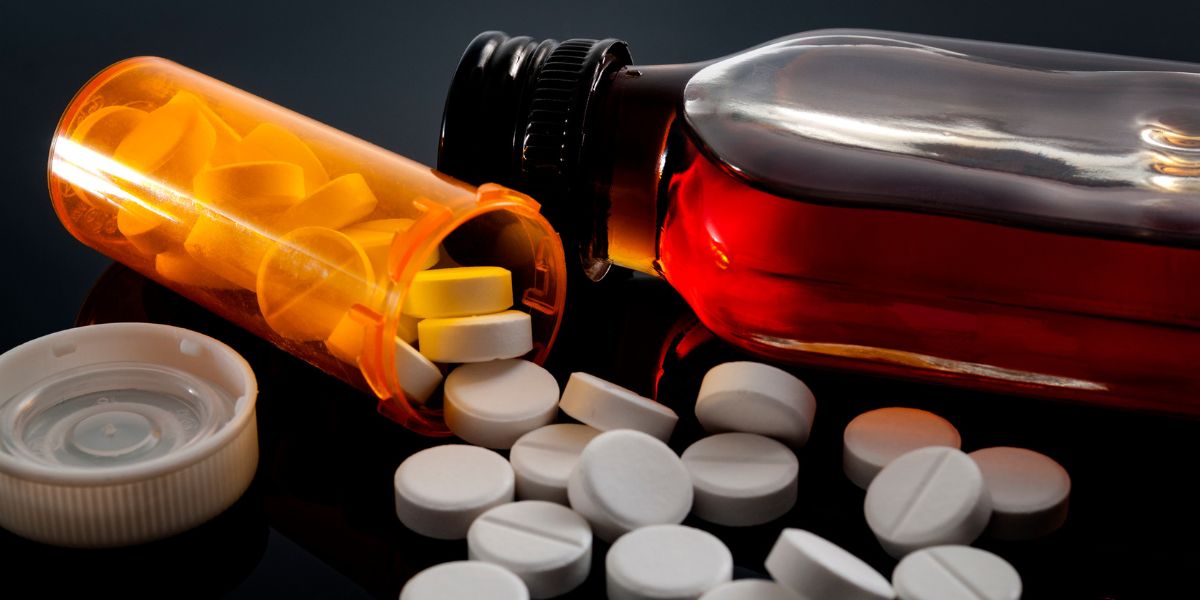
For decades, certain drugs have quietly moved between the doctor’s office and the underground drug market, and barbiturates are a prime example. Once widely prescribed for sleep and anxiety, these powerful sedatives now carry a complicated reputation tied to misuse, overdose risk, and addiction. Understanding how barbiturates work, why they can be dangerous, and how treatment can help is an important step toward addressing drug addiction and supporting mental health recovery.
Concerns about barbiturates, a sedative-hypnotic, in the United States have been raised for over 150 years, starting shortly after their development. Sedatives were first used to treat seizure disorders, insomnia, tension headaches, and anxiety. They are now in demand on the illegal drug market because of their calming effects.
Today, people rarely get prescribed barbiturates, also known as sedatives, hypnotics, or tranquilizers, except in specific situations. This involves treating illnesses that do not respond to other treatments during surgery. It also includes assisted dying by a doctor. Additionally, it involves state-approved executions.
Despite their restricted use in medicine, barbiturates remain widely used on the streets in the United States and as a mixing agent with other substances.
What Are Barbiturates?
Barbiturates, viewed as sedative depressants that impact the central nervous system, are categorized as a Schedule II substance in the United States.
Medically, barbiturates are used to treat seizure disorders unresponsive to other medications, alleviate withdrawal symptoms in infants, manage preoperative anxiety, and induce unconsciousness for surgical interventions. This drug can be administered either intravenously or as an oral tablet.
When barbiturates attach to neurotransmitters in the brain, they reduce and decelerate nerve impulses throughout the body, thereby inducing a sedative effect.
Barbiturates carry a high risk of causing psychological and physical dependence, along with severe withdrawal symptoms. Due to these risks, they are increasingly being substituted with safer alternatives.
Although they are prescribed far less frequently today, barbiturates still appear in cases of drug addiction and polysubstance use. In many situations, individuals may not even realize they are taking barbiturates because they are mixed with other drugs. This increases the danger of overdose and highlights why awareness and education around these substances remain important in modern California addiction treatment programs.
Barbiturate Street Names
Numerous street names for barbiturates that are still in use today date back to the 1920s. Many of these nicknames originate from the original colors or packaging of the pills and capsules. Other slang terms are also derived from the side effects that contribute to their popularity among users.
Common slang terms for barbiturates are:
- Tootsies
- Phennies
- Sleepers
- Christmas trees
- Rainbows
- Blockbusters
- Barbs
- Downers
Frequently encountered barbiturates in illegal trade are often identified by distinct street names. Here is a compilation of some of the most commonly known barbiturates, along with their corresponding slang terms:
- Phenobarbital (Luminal) – also known as goofballs, purple hearts
- Secobarbital (Seconal) – referred to as pinks, reds, red devils, pink ladies, lilys
- Amobarbital (Amytal) – known as blue velvet, blue heaven, blue devils
- Pentobarbital (Nembutal) – also called yellow jackets, nembies, Mexican yellows
Different pills have varying onsets and durations of effects. They all cause drowsiness, and taking too much can be dangerous.
Barbiturate Types
Over 50 distinct kinds of barbiturates exist, sold under a variety of generic and brand names.
Barbiturates are classified into four categories based on how rapidly they impact the body. People generally consider them more potent when they onset quickly.
Below are the four types of barbiturates, listed from strongest to weakest, along with their uses and examples.
Ultra-Short-Acting Barbiturates
Ultra-short-acting barbiturates are administered intravenously for anesthesia. Their effects begin approximately a minute after injection and last between one and three hours.
Short-Acting Barbiturates
Short-acting barbiturates, which are either injected or taken orally, are used to treat sleep disorders or administered before surgeries. They start working several minutes after administration, and their effects last between three and five hours.
Intermediate-Acting Barbiturates
Intermediate-acting barbiturates are taken orally before surgery or to manage sleep disorders and anxiety. Their effects begin about an hour after ingestion and last six to eight hours.
Long-Acting Barbiturates
Long-acting barbiturates are taken orally to treat alcohol withdrawal, seizure disorders, anxiety, and insomnia. The impacts start approximately one hour post-administration and may persist for up to 12 hours.
Why Barbiturates Can Be So Dangerous
One of the biggest concerns with barbiturates is how quickly the line between medical use and misuse can blur. Because these medications depress the central nervous system, taking too much can slow breathing and heart rate to dangerous levels.
Barbiturates are especially risky when combined with other depressants like alcohol, opioids, or certain anxiety medications. This combination can dramatically increase the likelihood of overdose. Many people struggling with drug addiction unknowingly mix substances, which makes barbiturate-related overdoses particularly dangerous.
For individuals receiving care at a Hollywood rehab or another California addiction treatment center, like White Oak Recovery Center, medical supervision is often necessary to safely manage withdrawal and prevent life-threatening complications.
Barbiturate Uses
A primary reason why healthcare professionals have shifted away from using barbiturates is their high potential for addiction and overdose. These drugs carry a heightened risk of leading to substance use disorders. On top of this, stopping their use abruptly can result in severe withdrawal symptoms.
It is important to adhere to medical guidance to prevent dangerous side effects when using prescription drugs. Even a slight increment in dosage can trigger negative reactions or cause an unintentional overdose.
If you are considering stopping the use of barbiturates, particularly at high doses, consult a doctor. They may suggest a medical detox and inpatient treatment.
Barbiturates Side Effects
Barbiturates slow down the brain by attaching to neurotransmitters, causing a calming effect on the central nervous system.
Typical adverse effects of barbiturates include:
- Fatigue
- Slowed physical responses
- Bewilderment
- Mumbled speech
- Head pains
- Lowered restraint
- Nausea
- Vision impairment
- Hypotension
- Accelerated pulse rate
- Decreased respiration
- Compromised decision-making
Prolonged use of barbiturates can lead to symptoms including:
- Forgetfulness
- Persistent tiredness
- Impaired balance and coordination
- Diminished motor abilities
- Emotional instability
- Slowed heartbeat
- Feelings of sadness
- Feelings of worry
- Somnambulism (sleep walking or complex behaviors during deep, non-REM sleep)
- Severe headaches
- Visual and auditory illusions
- Sexual impairment
- Birth defects
Given the strong effects of barbiturates, taking more than the advised dosage or mixing them with other substances like prescription drugs or alcohol can easily lead to an overdose.
Symptoms of Barbiturate Withdrawal
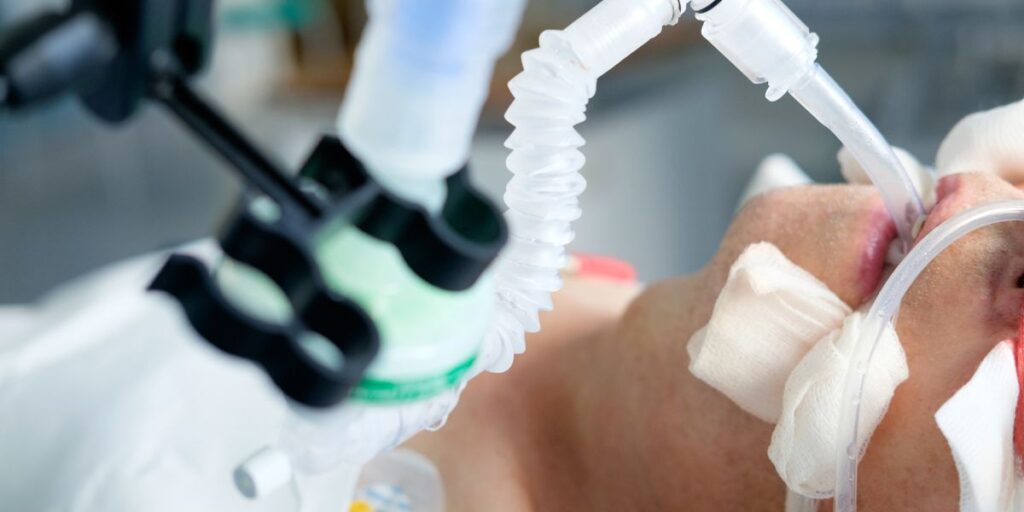
When someone becomes physically dependent on barbiturates, stopping suddenly can trigger intense withdrawal symptoms. Because these drugs affect the central nervous system so strongly, withdrawal can be both physically and psychologically challenging.
Common barbiturate withdrawal symptoms may include:
- Anxiety and restlessness
- Tremors or shaking
- Sleep disturbances or insomnia
- Increased heart rate
- Nausea and vomiting
- Seizures (in severe cases)
Due to these risks, medical detox is often recommended as the safest first step in recovery.
Barbiturate Abuse and Overdose
Tolerance and barbiturate dependence can develop in less than a month. Continual high doses can lead to lasting health consequences and severe withdrawal symptoms.
The likelihood of overdosing on barbiturates is exceptionally high due to their swift action and potent effects.
In 1945, hospitals in New York reported a barbiturate overdose death every 36 hours. This showed that barbiturate abuse was a serious problem. While not a new or rare occurrence, treating barbiturate overdoses continues to be a significant challenge.
Indications of an overdose on barbiturates include:
- Reduced alertness
- Struggling with cognitive and verbal expression
- Sluggish, mumbled speech
- Superficial respiration
- Struggling for breath
- Feeble heartbeat
- Moist or sweaty skin
- Severe bewilderment or disarray
- Lack of response to external triggers
- Comatose state
Barbiturate Abuse Treatment
If you or someone you care about is battling a barbiturate addiction, it can be life-threatening. At White Oak Recovery Center, your long-term recovery and well-being are our foremost concerns.
We will assist you with painful withdrawal symptoms using medical detox and 24/7 medical care. Our residential treatment facility is peaceful and designed to ensure your health and comfort.
Our caring team uses effective treatments, therapies for addiction, and empowering support groups. The treatments are customized for each person and help build a strong base for recovery once the program is finished.
As a leading Hollywood rehab, White Oak Recovery Center offers comprehensive California addiction treatment programs that address both drug addiction and mental health challenges. Recovery is not only about stopping substance use. It’s about rebuilding your health, relationships, and future.


Medical Disclaimer: